
Women's Health & Pelvic Health Physiotherapy in Dublin
Does this sound familiar?
- You leak a little when you cough, sneeze, laugh, run or jump.
- You need to go urgently, or more often than you used to.
- Since having your baby, your pelvic floor doesn't feel the same, or you feel a heaviness down below.
- You want to get back to running or the gym after pregnancy, but you're not sure it's safe.
- You've been told it's just part of having children, or part of sport.
What we help with
Bladder leaks and urgency
Pelvic floor problems after pregnancy
Leaking, a feeling of heaviness or dragging (which can be a sign of prolapse), or a pelvic floor that just doesn’t feel right after birth. Susan offers full postnatal assessments, whether your baby is 8 weeks old or 8 years old. It’s never too late to get checked.Bladder leaks in athletes.
Leaking during running, jumping, lifting or contact sport is common in women athletes. Around 4 in 10 report it. It can hold you back on the pitch, in the gym or on race day. We look at how your pelvic floor copes with the demands of your sport and train it to keep up.
Returning to running, the gym and sport after pregnancy
Pelvic pain
Please note: We don’t currently provide specialist treatment for bowel conditions. However, bowel symptoms can sometimes be linked with pelvic floor problems, including conditions such as rectocele and pelvic organ prolapse. If your assessment suggests that bowel symptoms are contributing to your problem, we can identify this and refer you to the appropriate specialist for further assessment and treatment.
We can also assess and support pelvic floor symptoms associated with conditions such as endometriosis, while working alongside your wider medical team where appropriate.

Your first appointment with Susan
- A private conversation. In a private room, one to one. Susan asks about your symptoms, your pregnancies and births if relevant, your bladder habits, your exercise and your goals. Everything you share is confidential.
- A movement and strength check. Your posture, breathing, tummy and hip strength, and how your body handles the movements that cause problems.
- An internal examination, only if you want one. Sometimes an internal check is the best way to see how your pelvic floor muscles are working. Susan will explain why and what it involves first. It's only done with your consent. You can bring someone with you or ask for a chaperone, take time to decide, or say no. Saying no doesn't mean you can't be treated.
- A clear plan. What's going on, what we'll work on, and roughly how long it should take. You set the pace, and you can stop or ask a question at any point.
What we help with
Bladder leaks and urgency
Pelvic floor problems after pregnancy
Leaking, a feeling of heaviness or dragging (which can be a sign of prolapse), or a pelvic floor that just doesn’t feel right after birth. Susan offers full postnatal assessments, whether your baby is 8 weeks old or 8 years old. It’s never too late to get checked.Bladder leaks in athletes.
Leaking during running, jumping, lifting or contact sport is common in women athletes. Around 4 in 10 report it. It can hold you back on the pitch, in the gym or on race day. We look at how your pelvic floor copes with the demands of your sport and train it to keep up.
Returning to running, the gym and sport after pregnancy
Pelvic pain
Please note: We don’t currently provide specialist treatment for bowel conditions. However, bowel symptoms can sometimes be linked with pelvic floor problems, including conditions such as rectocele and pelvic organ prolapse. If your assessment suggests that bowel symptoms are contributing to your problem, we can identify this and refer you to the appropriate specialist for further assessment and treatment.
We can also assess and support pelvic floor symptoms associated with conditions such as endometriosis, while working alongside your wider medical team where appropriate.
How we treat it
- Pelvic floor muscle training, done with you. Not a leaflet of exercises. Susan designs a personalised pelvic floor strength program and uses exercises are first line of treatment for stress or urgency incontinence
- Bladder habits. Simple changes to fluids, timing and urgency that make a real difference.
- Prolapse management. Understanding your symptoms, pelvic floor strengthening and advice on lifting and exercise.
- Pilates-based rehab. Susan is an APPI-trained Pilates instructor, including reformer Pilates, and uses it to build strength and control.
- Strength and return to sport. When you're ready, we build you up in our gym with our strength coaches, so your pelvic floor keeps up with running, lifting and sport.
Meet Susan
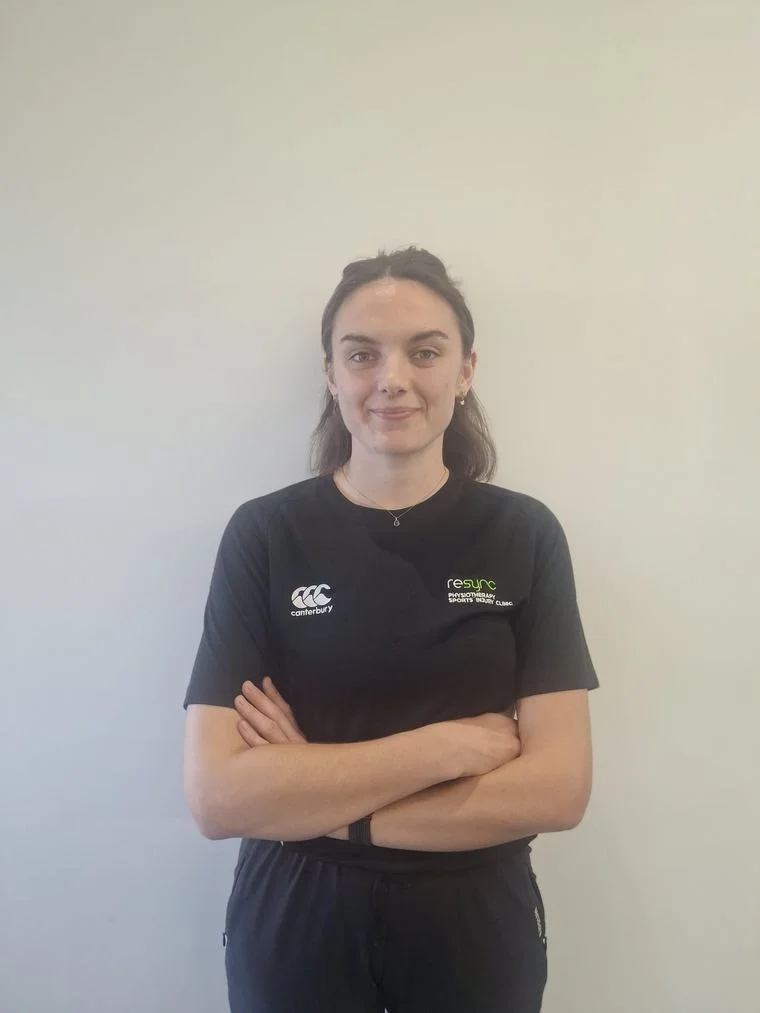
Susan is a Chartered Physiotherapist (CORU and ISCP registered). She qualified from Hanze University of Applied Sciences in the Netherlands, spent two years in the NHS in London, and then ran a mixed musculoskeletal and pelvic health caseload in London. There she carried out postnatal assessments and treated prolapse, bladder leaks, overactive bladder, pelvic pain and return to exercise after pregnancy.
She has completed two POGP pelvic health courses: Female Urinary Dysfunction and Managing Complex Female Pelvic Pain and Pelvic Floor Muscle Dysfunction (Advancing Practice). She’s also APPI Pilates-trained and has run the Rome Marathon, the Kerry Way Ultra and a 100km ultra in the Alps, so she knows what getting back to running means.
Women's health FAQs
Is leaking after having a baby normal?
Is it too late to get help? My children are older now.
Do I have to have an internal examination?
When can I start running again after having a baby?
Guidelines suggest waiting until at least 12 weeks after birth and having a pelvic health check first. Every woman is different, so Susan will assess you and build a plan that fits. I feel heaviness down below. Could that be a prolapse?
Susan is will assess and check for prolapse and can treat, uterine, cystocele or apical prolapse. Rectocele is different type and may need a bowel assessment in some cases depending on severity.
I'm an athlete and I only leak during training. Is that worth seeing someone about?
Can I bring my baby?
How much does it cost? Do I need a referral?
- Women's health assessment with Susan: €150 for 60 minutes.
- Follow-up appointment: €125 for 45 minutes.
Book a Corporate Discovery Call
If you’re exploring corporate wellness, start with a short call. We’ll recommend a simple, effective pilot or an embedded program depending on your goals.